Managing distributed IoT devices at scale is rarely as simple as deployment. For commercial laundry operators, maintaining thousands of self-service machines across multiple locations introduces significant operational complexity.
This case explores how a multi-region laundry operator overcame these challenges by building a reliable, centrally managed IoT connectivity architecture.
The Challenge: Scaling Operations Without Scaling Complexity
The operator deployed over 30,000 connected washing machines across cities and countries. Each machine played a critical role in daily operations, requiring:
-
Real-time payment verification
-
Usage monitoring and reporting
-
Instant fault detection and alerts
However, several challenges quickly emerged:
1. Limited Network Reliability
Laundry machines were often installed in basements or enclosed spaces where Wi-Fi connectivity was unstable.
2. High Maintenance Costs
Sending technicians to troubleshoot issues across distributed locations was time-consuming and expensive.
3. Lack of Real-Time Visibility
Without centralized monitoring, identifying faults or downtime required manual intervention.
As the deployment scaled, these issues became operational bottlenecks.
The Solution: Reliable IoT Connectivity + Centralized Management
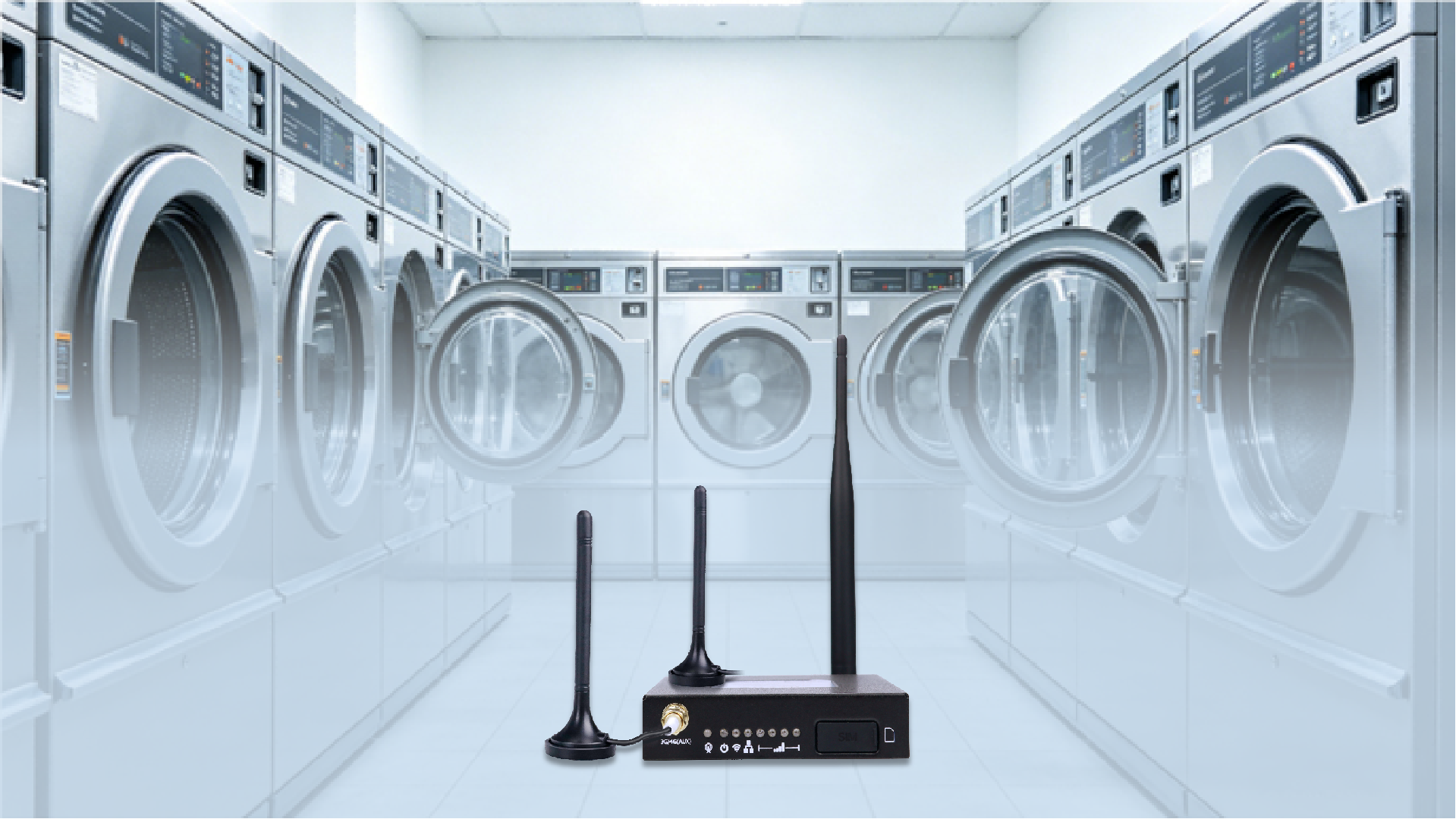
To address these challenges, the operator implemented a cellular-based IoT connectivity solution. Each washing machine was equipped with a Hongdian H8959 industrial cellular router, ensuring stable network access even in difficult environments. Through a centralized IoT management platform, the operations team gained full control over their entire fleet.
Key Capabilities Delivered
1. Always-On Connectivity
Stable cellular connections ensured machines remained online regardless of location constraints.
2. Real-Time Monitoring
Operators could instantly check machine status, usage, and connectivity across all sites.
3. Remote Troubleshooting & Updates
Configuration changes, diagnostics, and firmware updates could be performed remotely.
4. Instant Fault Alerts
Any abnormal status triggered real-time notifications, enabling rapid response.
The Results
With the new architecture in place, the operator achieved:
-
Significantly reduced fault response time
-
Fewer on-site maintenance visits
-
Improved uptime and customer experience
-
Faster and more cost-effective expansion
What once required physical intervention could now be handled remotely—at scale.
Recommended Product
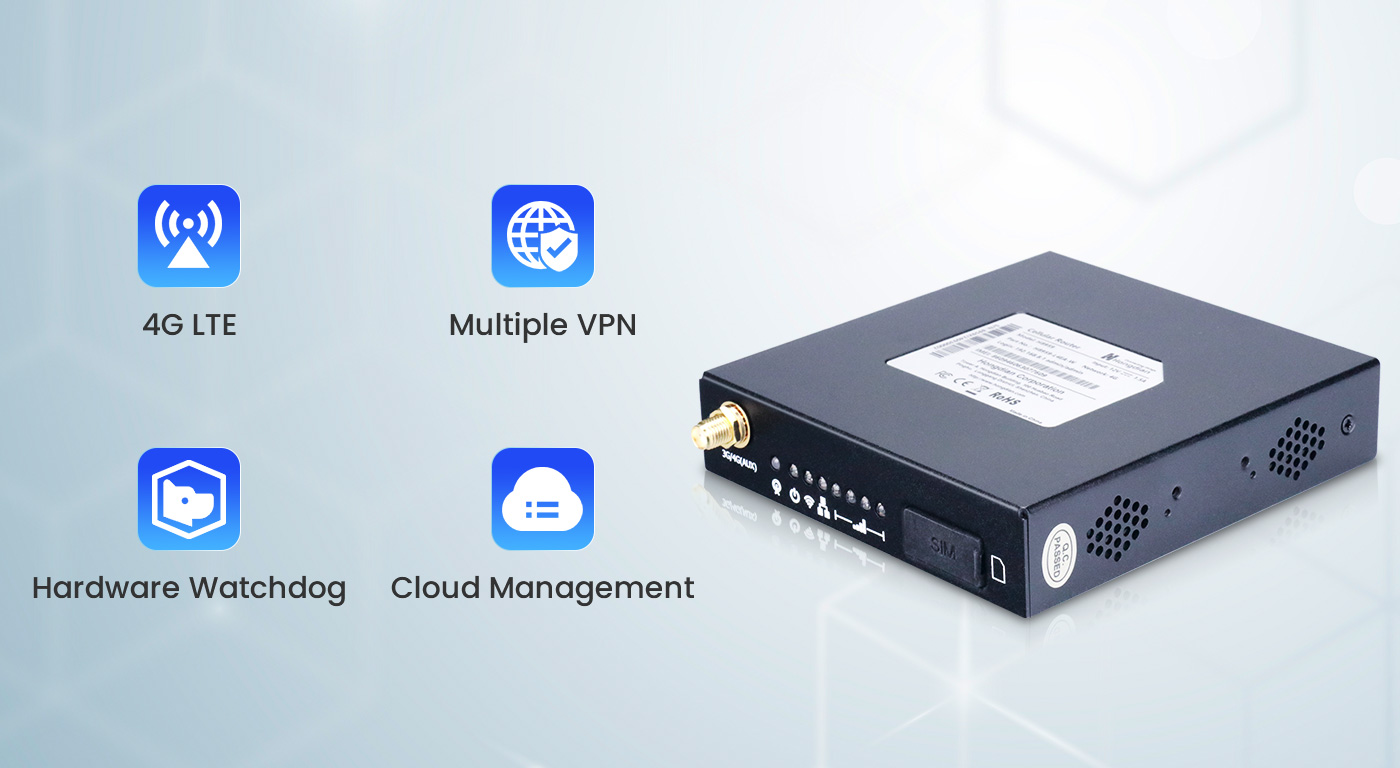
For scenarios requiring reliable connectivity and remote management of distributed devices, Hongdian’s H8959 4G Cellular VPN Router provides a proven solution.
It enables:
-
Secure and stable wireless networking for devices and POS systems
-
Real-time data transmission to centralized platforms
-
Reliable communication in challenging environments
-
Seamless integration into IoT management systems
Learn more about H8959:
https://www.hongdian.com/en/products/h8959-4g-cellular-vpn-router.html
Conclusion
As IoT deployments continue to scale, connectivity becomes a critical foundation for operational efficiency.
This case demonstrates how combining reliable cellular networking with centralized management enables businesses to reduce costs, improve uptime, and scale without increasing operational burden.